August 11, 2026
Whether you manage a sprawling commercial facility in the Treasure Valley or are relaxing in your living room under the summer sun, having high-quality film on your property’s glass is essential for both comfort and protection. For homeowners and business owners in our area, relying on professional window tinting provides significant architectural benefits, including ultraviolet ray protection, glare reduction, immense heat rejection, and increased daytime privacy. However, no architectural film is designed to last indefinitely. Even the highest quality materials applied by experts will eventually succumb to the elements, constant solar exposure, and daily wear and tear.
Many property owners assume that once their residential or commercial glass is treated, the job is done for the life of the building. Unfortunately, this is a common misconception that can lead to skyrocketing energy bills and uncomfortable interior spaces. Over time, these protective materials begin to naturally break down. According to Market.us News, standard window tints typically last about five years. If you are approaching this five-year mark, or if you purchased a property with pre-existing film, it is highly likely that you need an upgrade. We have seen every stage of architectural film degradation. To help you determine if your home or office building needs an update, we have compiled this ultimate guide. Here are seven clear indicators that a replacement is necessary.
1. You Notice Purple Discoloration
One of the most obvious indicators that your architectural film has reached the end of its lifespan is a distinct color change. When high-quality films are initially applied to a home or commercial building, they feature a sleek, neutral, charcoal, or reflective appearance that beautifully enhances the exterior aesthetic of your property. However, over time, prolonged exposure to intense ultraviolet rays from the sun breaks down the specialized dyes used in the manufacturing process of older films. As these dyes degrade, the film begins to take on an unsightly, vibrant purple hue.
This purple fading is not just a cosmetic issue that ruins your property’s curb appeal; it is a clear structural warning. When the dye breaks down, the film's ability to block harmful ultraviolet rays and reject solar heat is severely compromised. Upgrading your window tinting to a modern ceramic or carbon-based architectural option can solve this issue permanently, as newer, advanced technologies do not rely on traditional, cheap dyes that inevitably turn purple under the harsh Idaho sun.
2. You See Air Bubbles
If you look closely at your glass doors or large living room panes and notice small, unsightly pockets of air trapped beneath the surface of the film, it is a definitive sign of total material failure. Bubbling and blistering are incredibly common in older, lower-quality films used on residential and commercial buildings. These bubbles form when the adhesive bonding the film to the glass begins to break down, usually due to a combination of intense solar heat radiating against the pane and prolonged ultraviolet exposure destroying the chemical bond.
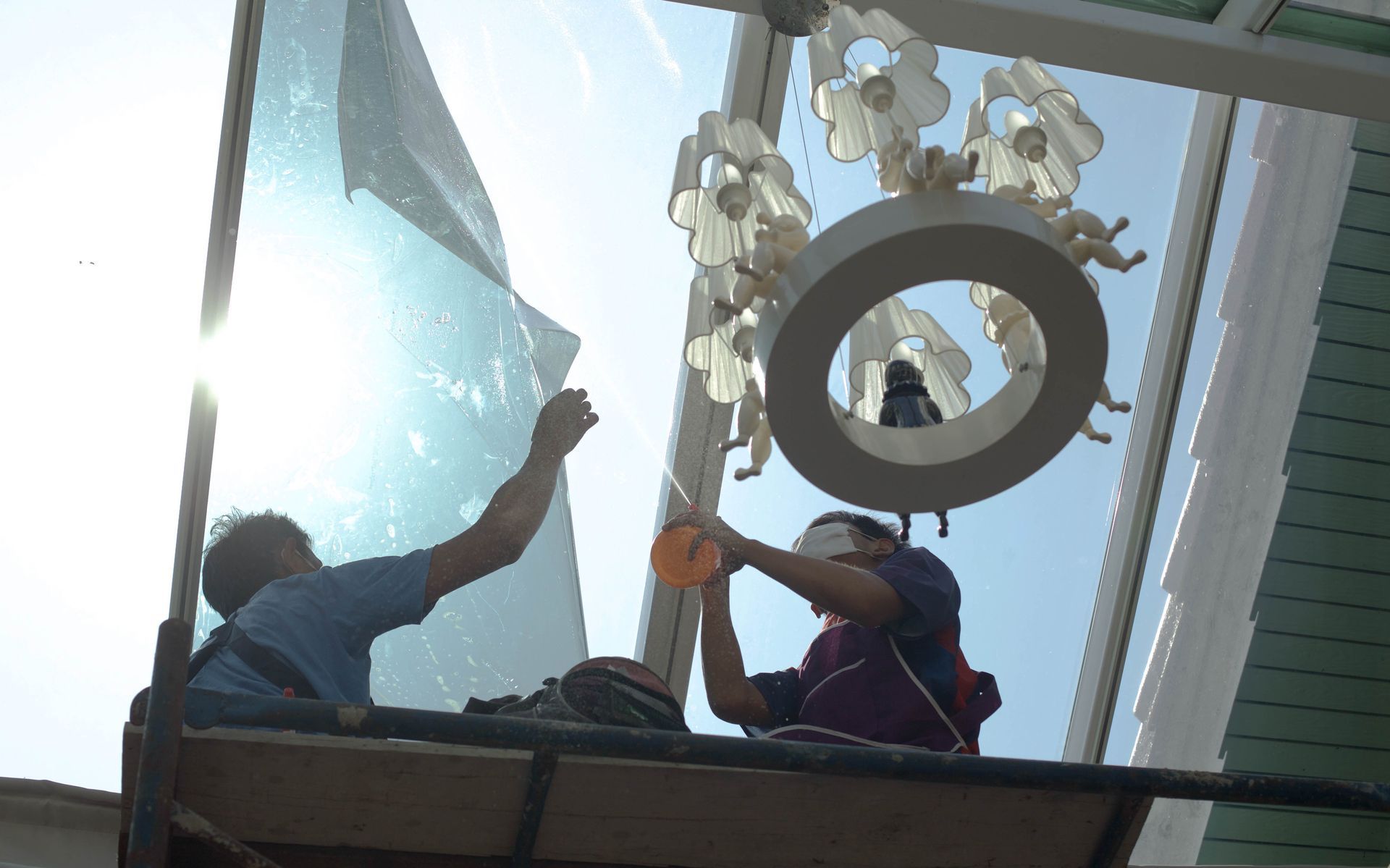
Once bubbles begin to appear, the problem will only worsen rapidly. The trapped air creates visual distortions that ruin the view of your beautiful backyard or storefront, making the glass look incredibly unprofessional to visiting clients or guests. Furthermore, these bubbles ruin the sleek appearance of your exterior. Trying to press them out yourself will not work, as the adhesive has permanently failed. The only effective solution is to have the old film professionally removed and replaced.
3. You Find Peeling Edges
Another major red flag is when the edges of the film begin to lift, curl, or peel away from the glass. This issue frequently occurs along the edges of sliding glass doors, commercial entryways, or windows that are frequently opened, closed, or heavily cleaned. The constant physical friction, combined with the natural degradation of the adhesive over time and the impact of standard glass cleaning chemicals, causes the edges of the material to completely lose their grip on the pane.
Peeling edges are highly problematic for a few major reasons. First, they look terrible and give your business or home a severely neglected appearance. Second, once the edge begins to peel, it creates a catching point for dust, dirt, and pet hair. Every time your janitorial staff or family cleans the glass, you risk tearing the film further. Once this starts happening, the only proper fix is investing in fresh window tinting applied by a skilled technician who ensures perfectly sealed edges.
4. You Feel Increased Heat
Think back to when your residential or commercial glass was first treated. You likely noticed a massive, immediate drop in interior temperatures. Premium architectural films are specially engineered to reject solar energy, keeping your office space or the interior of your home refreshingly cool even during the hottest, most unforgiving Idaho summers. If you suddenly find yourself constantly adjusting the thermostat and cranking up the central air conditioning just to stay comfortable, your film is likely failing.
As the heat-rejecting properties of the film degrade over the years, more infrared heat easily penetrates the glass. This not only makes your daily work environment or living room completely uncomfortable but also forces your building’s HVAC system to work much harder, drastically increasing your monthly energy bills. Upgrading your window tinting to advanced ceramic options can restore and even improve upon the heat rejection you initially enjoyed, providing exceptional thermal comfort and energy efficiency year-round.
5. You Experience Harsh Glare
One of the primary reasons homeowners and commercial property managers invest in treated glass is to significantly reduce the blinding glare from the sun. Glare reduction makes working on computer screens in a corporate office much easier and allows for a significantly more comfortable experience when watching television in your home theater or living room. However, when architectural film degrades, its ability to effectively filter harsh natural light diminishes completely.
If you find yourself constantly pulling down the blinds, squinting during your afternoon meetings, or struggling to see your monitors due to the intense reflection of the sun, it is absolutely time to reevaluate your glass. The microscopic layers that filter light transmission break down after years of direct exposure. By scheduling a replacement, you can instantly eliminate that harsh, blinding glare, successfully restoring a highly productive and comfortable indoor environment.
6. You Spot Deep Scratches
While professional-grade architectural films are manufactured with a highly durable, scratch-resistant coating, they are not completely indestructible. Over years of daily use in a busy household or a high-traffic commercial retail space, it is incredibly common for the film to sustain physical damage. Moving large furniture, energetic pets pawing at the glass, accidental scrapes from office equipment, or even the frequent use of highly abrasive cleaning materials can leave deep scratches and gouges in the material.
Minor micro-scratches might not be a massive concern immediately, but deep gouges that penetrate the fundamental layers of the film are highly problematic. Not only do they look terrible to houseguests or retail customers, but they also create structural weak points where the film can begin to peel or tear prematurely. If your property’s glass is heavily damaged, professional window tinting removal and reapplication is strictly necessary to protect the integrity of the windows.
7. You Observe Faded Interiors
Your property's interior components — such as expensive hardwood floors, custom artwork, retail merchandise, and luxurious living room furniture — are highly vulnerable to permanent sun damage. A high-quality film acts as an invisible shield, blocking up to ninety-nine percent of the harmful ultraviolet rays that cause fading, bleaching, cracking, and severe interior deterioration over time.
If you start noticing that your once-vibrant rugs are looking completely dull, or if your wooden floors are developing discolored patches near the glass despite regular maintenance, your film is no longer doing its job. The UV-blocking properties degrade alongside the dye and adhesive structure. Protecting your financial investment in your home or business interior means ensuring that your glass has an active, highly effective barrier against the sun. Upgrading your film will instantly halt further interior damage in its tracks and keep your furnishings looking brand new.
Do not settle for failing, blistered, or faded film on your home or commercial facility. Trust local property experts to provide a flawless, long-lasting architectural upgrade. Contact Boise Window Tint LLC today to schedule your professional window tinting consultation and experience the undeniable difference!